Blog Archive

Thursday, 2 November 2017

Integrating Seed Production in My Life


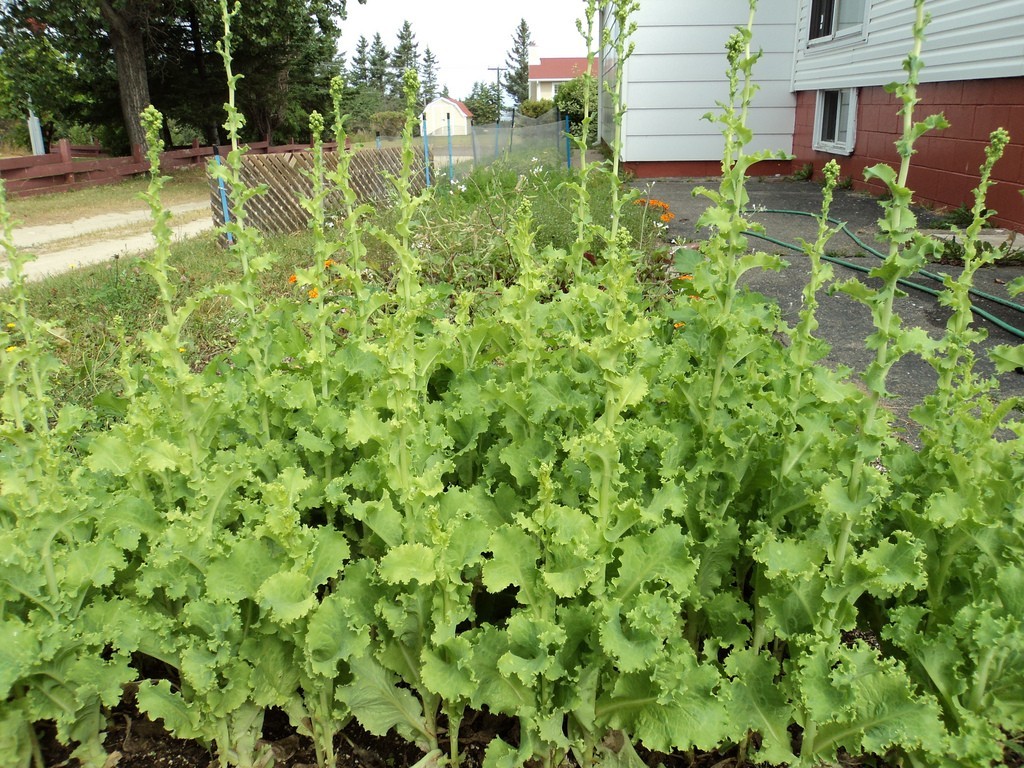
Next year, I will incorporate lettuce seed production into my vegetable garden. It will be separated from the vegetable production by the minimum isolation distance that lettuce requires. The physical location of the seed crop will be at the front of the garden closest to the house, this will ensure the seed crop will not be forgotten. If all goes well in the first I will then incorporate my 2 other seed crops into the production system. This will allow me to get the hang of producing seeds and balancing the work with the vegetable garden. I foresee the first year being a practice run and won't intend to sell, except maybe in small quantities at the farmers market or to my friends. I will conduct germination testing and re-plant the seeds produce to make sure they are true to type - test my production methods and make sure I am on track to confidently sell a good product.

Some of the biggest challenges in the first year will be providing a dry space dedicated for seed cleaning and processing. This will likely need to occur in the basement of the house for now, until I can work on building a barn/shed that has a dedicated seed room. We have a small car port on the property that can be used for seed cleaning when the time is right but it is not sealed, may become damp and has risk of rodent presence. The basement is dry and free of rodents and will be good for the storage of the seeds before and after cleaning. The cleaning would be best done in the car port as it will be dusty.

Another challenge will be giving my crops the regular attention that they need. Right now, farming is not my primary or even secondary source of income. At the moment, it is for my own consumption and to practice for the future when I can make some money from the crops. There will be a gradual incorporation of more and more farming in the future. The goal is that within 5 years I can work part time at a steady job for income and farm half the time. Once my operation becomes more profitable and requires more time and attention I can wein off working at an outside source. This approach will be challenging and tiring. Approaches to overcome this would be to team up with friends or family and maybe an intern to help check on the development of the crops and with weeding and other maintenance tasks. Also, allowing it to become part of my regular routine to walk my fields and note what needs to be done and having dedicated days and evenings to maintenance.

I look forward to next and am excited to incorporate seed production into my life!


Photo Source: https://maxpull-tlu7l6lqiu.stackpathdns.com/wp-content/uploads/2013/04/lettuce-bolting.jpg

Wednesday, 1 November 2017

Enterprise Budget for Romaine Lettuce Seed

Developing an enterprise budget for each crop is necessary to understand the revenue for the farm. Below I have constructed an Enterprise Budget for my Coastal Star Romaine Lettuce Seed. The budget was created by using a beet crop template provided by KPU: Enterprise Budgets. Ideally an enterprise budget would be made for each seed and vegetable crop on my farm. 

Assumptions I have made in this budget: 

1. The seed is intended to be sold through a co-op where there is a one time $500 membership fee which would be deducted from the first season of revenue. 
2. One farmer conducts all the work and is being paid out of the profits 
3. Land is owned, no rent due, only municipal property tax
4. Bookkeeping will done myself while very small scale 


Overall, this crop is profitable for the land size and scale of production! 


Sunday, 29 October 2017

Targeted Market Follow-Up

This is a follow up post in response to Mary's comment below; 


"Hi Carla - my main comment would be that you have identified a number of target markets here that may have quite different characteristics and, thus, needs. For example, your local market may want certain types of seeds and varieties that are quite different from the needs of SoD Canada or research projects. Also, the types of co-ops that you mention are really a conduit to a target market rather than a target market themselves. Your target market here is home gardeners and perhaps small farmers and the co-op is the means to reach them. Depending on the reach of the co-op, your target market here may be across all of BC or even other parts of Canada. This market would probably have quite different trends than your local community. My advice would be to prioritize your top markets so you can allocate your growing space appropriately.It may be nice to grow 3 different varieties for SoD's seed bank but how much of your growing space does that take up and how does it mesh with growing seed crops for your local market or the co-op? This is a good opportunity to develop enterprise budgets for each project to determine relative importance of each market."

Thanks for comments here Mary. I see that having chose many different places to market my seed will be difficult and may not be the most efficient to spread my time and land over many projects. Conducting an enterprise budget for each crop in each market would be a good way to go. My first instinct upon reflection is to first focus on selling to a regional co-op until comfortable and turning a profit then choosing to take on other projects and markets as I grow.

Friday, 27 October 2017

Identifying Market Trends


Identifying seed market trends requires ongoing research to determine what seed crops I will grow and sell. The market trends will change over time but I will always put a good amount of energy into growing GMO free, ecologically grown, bee/environment friendly crops that are non proprietary. My research methods will include; 

1. Visiting farmers markets to see what farmers are growing/selling 
2. Visiting local grocery stores to see what is available (organic or not) and see where the gaps are between the store and market 
3. Talk to producers to see what they are looking for in seed 
4. Research common diseases in certain crops to see if I can improve a variety for resistance 
5. Discover native plants that are lacking in my region and see if there is interest amongst my customers to plant these seeds in their ornamental gardens 
6. Talk to the co-op organizers and farmers with the co-op to what types of seed are lacking. No point in growing tomato seeds for the co-op if 30 other farmers already are and the customer need is already met. 
7. Ask seed libraries what kinds of seeds they would like to see in their collections  
8. Research labelling and what is attractive to my customers 
9. Determine if my customer base frequent the internet. May be a place for social media or a website for more details on my seeds of that year. This may be a good platform to get a following, disseminate knowledge and gain customer loyalty through being transparent. 
10. Build good relationships with Ag universities and colleges to get my foot in the door for seed research projects that receive a stipend, advertisement or access to resources. 


Image Source: http://www.froutonea.com/images/datafiles/1117.jpg

Sunday, 22 October 2017

Targeted Markets for Seed Sale and Building Capital

Farmer Cooperatives

  • Sell seed to cooperatives led by farmers in my region such as the BC Eco Seed Co-op. 
This market is great to sell seeds locally and in bulk. The small regional cooperatives promote regionally adapted seed, diversity, agroecology, community building, knowledge sharing and support from colleagues. Selling to a co-op is beneficial to take the demand off how many varieties I have to provide for the category below. Selling to seed companies requires yield beyond what I intend to grow in the beginning.  

Small Farmers, Market Growers & Home Gardeners

  • Sell seed packets at my vegetable market stand and sell to local farmers if interest 
This market is a good way to get started when my yields are low and I am just dipping my feet. The packaging and displays can be very basic but quaint. Once I have enough seed to start selling to the co-op I think this outlet would be a matter of surplus seed leftover from selling to the cooperative. I also like the community connection and sharing/selling of seed and food diversity within a smaller community. 


Research, Seed Libraries & Barter

  • Participate in grow outs to contribute to the Canadian Seed Library with Seeds of Diversity. Farm is paid $300/year for small portion of my seed of 3 varieties.   

  • Participate in variety trials to contribute to research with projects similar to the BC Seed Trials. Receive a small stipend for my time, free seeds for the trial plus keeping the harvest. 

  • Barter and trade with local farmers; seed swap, trade seed for produce, honey and meat etc. 


These additional streams aid building social capital, seed security, receiving extra income and promote economic, environmental and social sustainability.  

Friday, 13 October 2017

Necessary Storage Requirements and Provisions

I plan on storing my seeds for 1-3 years. The initial purpose is to save enough seeds to grow food in the subsequent year from my own seed and to replenish my seed stock. As the years go by I can rotate the types of seed crops I grow. Firstly to increase the diversity of seeds I have on hand and also to give myself time to grow out and sell the seed I have on hand not allowing them to become too old. 
As the years progress I can increase the size of my production to ensure I have steady income and supply of seed and vegetables to live on and feed my family (in conjunction with my husbands income). 

The environment in which to store ensuring good quality of my seeds is should be dry, cool and dark. The main goal during storage is provide conditions to which to seed remains in dormancy and will be viable at germination time. My lettuce seeds will be stored in labelled brown paper envelopes then in further labelled brown paper bags in a fridge. The beans and peas will be stored in a labelled paper or plastic baggy within a labelled mason jar that have small hole poked in the top for air circulation. 

Refer to table 1 & 2 below for germination standards set by the Government of Canada. These minimum germination rates must be met to sell my seed. The minimum germination rate for lettuce is 70% and 65-80% for peas and 65-85% for beans. The beans and peas have ranges as there are different levels of quality the seeds can achieve. Of course I will strive for the highest possible germination rates and test my seeds for germination each year. 

Romaine Lettuce
Image Source: http://www.gettystewart.com/seedy-saturday-saturday-march-9/

Table 1: Accepted Germination Rates by the Gov't of Canada, Seed Regulations
 See Romaine Lettuce Seed in Row S 
 Table Source: http://laws-lois.justice.gc.ca/eng/regulations/c.r.c.,_c._1400/FullText.html


Garden Pea
Image Source: http://www.gardenfresco.co.uk/growing-vegetables/peas


Fava Bean 

Image Source: https://www.ufseeds.com/product/broad-windsor-fava-bean-seeds/


Table 2: Accepted Germination Rates and Percentage of Acceptable Weeds and Other Seed for Non-Field Production Crops by the Gov't of Canada, Seed Regulations (See Peas in Column 4 and Beans in Column 5)

 Table Source: http://laws-lois.justice.gc.ca/eng/regulations/c.r.c.,_c._1400/FullText.html

Tuesday, 10 October 2017

Ensuring Isolation from GE crops

To the best of my knowledge there is no GE seed crops being grown in South Burnaby. The farm land plots are very small and are mostly in vegetable production by small growers. The more than sufficient isolation distances I have provided for my self-pollinating crops is more than sufficient to isolate from GE crops.


Image: https://www.google.ca/url?sa=i&rct=j&q=&esrc=s&source=images&cd=&ved=0ahUKEwjEmNvmuOfWAhVIrlQKHc-rBKwQjxwIAw&url=http%3A%2F%2Frenegadehealth.com%2Fblog%2F2011%2F08%2F19%2Fseeds-of-deception-book-review&psig=AOvVaw1NpyfeW-p1rSHm4LqNJ7t6&ust=1507772511369558

Ensuring Traceability of My Seed Crops

A seed crop journal will be kept. This journal will serve as an in field notebook to write down observations, successes, challenges and to keep track of my seed. The notes can be backed up into a digital format capturing the important details in a more succinct format.

Initially, when I am planting someone else's seed, as much information as possible from that seed lot and packet would be recorded. Then when the seed from that harvest is stored it will be placed in a paper bag or envelope with one label inside and one outside. The label would contain; farm name and location, lot number, year, species, cultivar and common name.

When my seed is repackaged for the consumer I would transfer the same information from my label to the seed packet of the consumer. It would just be arranged in a more appealing way, such as the image below for the front of the packet with simply the cultivar name (although I would include species as well) and the farm name. The back of the packet would include year grown, lot number and farm location.

Photo Source: https://tr.pinterest.com/pin/187180928236127416/

Monday, 9 October 2017

Equipment for Harvesting and Cleaning My Seed Crop

Romaine Lettuce 

The seed pod heads of the lettuce will be progressively shaken off into a brown paper bag directly from the plant. Cleaning could also happen in small batches, put perhaps once a week as opposed to every couple of days. The seed does not need to be released from a shell but rather separated from the fluffy pappus' and any other debris from the seed head that made its way into the bag. The compressor would likely be too powerful for this light seed and chaff. So a small hand fan or even blowing across the seed would be effective. Another approach would be to screen the seeds through a series of stacking screens and lightly blow away fluff and chaff as the seeds and heavier debris fall through the screen set. 

To start out, I would like to purchase a set of versatile screens that slot together. As I become more handy I can select different grades of wire and work on constructing similar screens modelling the design of the set I purchased. Once I get into producing seed I would be selecting other small seed to work with that would benefit from the screens such as brassicas and ornamental flower seed. 

Image 1: Set of Seed Screens 
Source: www.strictlymedicinalseeds.com

Fava Beans 

Once the upper pods are formed and begins to dry the plants can be cut at the stem then raked down to the ground and collected into stocks to finish drying. The seed head stems can then be cut off and placed on a tarp in the field to be threshed. Some of the chaff can be removed by hand and the seed transferred into a bucket. In an sheltered area the seeds can be transferred a bit at a time into a new bucket in a single layer. Then cleaned by passing the air from an air compressor over the bucket to blow away the chaff. Since fava beans seeds are very large using a winnower or screens wouldn't make sense.

Investing in a moderately air compressor would be a good idea. It would not only help in cleaning seed but in removing dust from sheds and farm storage areas as well as pumping up bike, car and wheel barrow tires on site as well. I believe an air compressor can be used to clean fresh farm eggs as well which is a part of my big farm plan! 

Image 2: Portable Air Compressor 
Source: www.lrseries.com


Garden Pea 

Once the seeds are maturing, drying and browning on the plant the seed head stems can be cut and tied together and hung from the trellis that the peas had been growing on. Then threshed similar to the favas or in a bucket with my feet. 

Cleaning would occur in the exact same way as favas making the investment of buying an air compressor worthwhile. 

Thursday, 14 September 2017

Ready to Harvest

Questions:
1. How will I know when my seed crops are ready?
2. What are the best harvesting methods for this crop?
3. What are the most appropriate tools/methods for harvesting the seed crop?


The key is to leave the seed pods on the plants for as long as possible. Allowing them to mature naturally. However, not allowing the seed pods to dry too much as there is some risk of them shattering all of over the ground.

Beans and peas are generally finished when they turn brown and crispy, and be left to fully mature and dry on the plant. The fava bean will turn even darker and will appear blackened when close to harvest. The seed pod will also loose some of its sponginess. The ideal to cut the crop is when the upper pods are fully formed but not entirely ripe. John Navazio recommends mechanically raking the fava crop into windrows and placing the crop into shocks for the final drying before threshing; then threshing in a stationary thresher in the field. I am not entirely familiar with a windrow and I would be tempted to thresh the seed in a buckets and stand on it to break the seeds away from the flesh as I have done with brassica seeds before.

The pea crop after browning and drying in the field will be swathed and then cured in a windrow for 7-10 days or until completely dry and easily threshed. Threshing by hand and foot with my small crop size would then be acceptable.

Lettuce seed maturation is indicated by the release of a grey and fluffy pappus that is sent out by seed. Lettuce seed generally has several seed harvests as the seed matures in stage.  Harvest can be accomplished by hand. Shaking the seed head into a bag is a good tactic since any seed that is not fully formed will not be dislodged and released into the bag.

Image 1: Pappus of a thistle (asteraceae family, same as lettuce) 
Source: wikipedia.org


Sunday, 10 September 2017

Desired Traits and Selection Factors

A driver for saving seed from all these crops types are to create a higher level of self-sufficiency and reduce food production costs, adapt to this regional climate, to preserve a local seed stock and increase seed security in BC.


Desired traits that will drive selection for;

Romaine Lettuce

- Deep green colour
- Large leaves
- Soft yet crisp leaf texture
- Good flavour
- Slow to wilt once harvested

Garden Peas 

- Full pods
- Large seeds
- Good flavour
- Thin skin on pods
- Crunchy to eat

Fava Beans

- Full pods
- Large seeds
- Late flowering times
- Thin hull surrounding seed


In addition to these desired phenotypic traits the following functional traits will also be selected for;

- Slow to bolt
- Vigorous plants
- Disease resistance
- Pest resistance
- Upright plant stature
- Normal not mutated
- Dark green in colour
- Lots of flowering


Potential Diseases: Risk and Mitigation


Disease: Damping- Off

Crops Affected
: Garden Pea, Fava Beans and Lettuce

Description: The rotting/decaying of seeds in the soil due to overly wet conditions. If the seedling manages to emerge it will be affected with the either the fungi pythium, fusarium or rhizoctonia.

Identification: Lack of seed emergence is a good clue the seeds are being affected. If the seedling becomes infected with the fungi upon emergence it will appear weak in the stem, can become blackened and will topple over and die at any point.

Threat Severity: In Burnaby the threat could be fairly severe with really wet shoulder seasons. However, the crop can be planted in late spring after severe wet conditions pass or the seeds can be started inside to avoid the conditions. The threat would be increased if the responsible fungi are present in the soil of the area - I am not sure about my site, but all my seeds did well in the soil this year.

Best Practices for Mitigation:

- Plant seeds in optimal conditions. Damp soil but not soaked and no heavy rains during seed germination time.

- Crop rotation.

- Seed indoors and transplant at the appropriate time. This way the moisture can be better controlled and you can choose to use a sterilized soil if your area is particularly wet with risk of presence of the dampening off fungi.

- Fungicide treated seeds are an option on conventional sites. For ecological sites like mine, there are a couple of options of this nature: Priming, pelleting, hot water treatment, plant and oil extracts, bleach disinfectant or biological seed treatment.

Testing Available for Disease in Seed?: I believe testing for fusarium is available. Not a bad idea to have seeds tested every once in a while or buy the initial seed from a trusted source that does have vigorous seed testing protocols.

Disease: Bacterial Blight

Crops Affected
: Garden Pea and Fava Beans

Description: A bacterial infection of the leaves. The bacteria can overwinter in crop residue or in seeds and spread easily in favourable conditions (warm, wet and humid).

Identification: Starts as shiny green spots and increases in size, yellow discolouration may happen around the spot. Dead leaves will remain on the plant and pods may show dark red-brown lesions.

Threat Severity: Blight is quite a severe disease that should be avoided on the farm. It can live for many years and transfer between many plants.

Best Practices for Mitigation:

- Crop rotation.

- Infected plant residue removed from the farm completely.

- Don't allow leaves to wet for extended periods of time.

- Manage mulch and crop residue well.


Testing Available for Disease in Seed?: Yes. Tested and disease free seed is available.

Disease: Fungal Blight


Crops Affected
: Garden Pea

Description: Very similar to bacterial blight in appearance but caused by fungi not bacteria.

Identification: Irregularly shaped purple or brown splotches on the leaves. Black lesions on the stem.

Threat Severity: Just as severe as bacterial blight and is a big problem if any level of infection becomes apparent on the farm. Fungal blight can survive for years and transfer between plants very easily.

Best Practices for Mitigation:

- Same as bacterial blight. Most diseases thrive in wet, humid and warm conditions. So, try to always keep plant foliage dry and ensure good air circulation between plants and leaves.

Testing Available for Disease in Seed?: Yes. Tested and disease free seed is available.

Disease: Powdery Mildew

Crops Affected
: Lettuce, Fava Beans and Garden Pea

Description: Common group of fungi that are host specific. Many types of powdery mildew with many types of hosts. It does not need as wet of conditions as other fungal diseases so it is quite a bit more prominent in many regions.

Identification: Powered residue appearing of leaf foliage.

Threat Severity: Mildly severe. It usually happens in the later part of the season when the crop is mostly mature. The vegetables can often still be marketed at full size. However, if a severe infection the yield and fruit quality can be reduced. Powdery mildew is more of a threat in seed crops since they need more maturation and drying time on the plant.

Best Practices for Mitigation:

- Crop rotation.

-  Good cultural practices.

- Sufficient spacing for air circulation.

- Plant in full sun and avoid shade if possible.

- Topical spray for small infection sites. Use cider vinegar and water solution or use baking soda and water solution to spray.

Testing Available for Disease in Seed?: No... Powdery mildew is a systemic disease and cannot be transferred to other parts of the plant.

Disease: Botrytis Rot 

Crops Affected
: Lettuce, Fava Beans and Garden Pea

Description: Leaves near ground can turn light brown and host grey-brown fuzzy growth of spores.

Identification: Lower leaves yellow and eventually the whole head starts to die. Watery brown decay develops on the underside of the head

Threat Severity: Pretty severe. Botrytis can live in crop residues, soil and seed stock for years.

Best Practices for Mitigation:

- Crop rotation.

-  Good cultural practices.

- Sufficient spacing for air circulation.

- Keep surface of plant beds dry by digging in drip irrigation to just water the roots.

- Can plant in raised beds.

- Plant in full sun and avoid shade if possible.

- Topical spray for small infection sites. Use cider vinegar and water solution or use baking soda and water solution to spray.

Testing Available for Disease in Seed?: Yes. Tested and disease free seed is available.


Fun Fact about Botrytis: Dessert wine is typically made from grapes that are infected with botrytis as it makes the grapes extra sweet! Not harmful to consume.

Wednesday, 6 September 2017

Seed Plan for my 3 Seed Crops

BLOG POST #6: 
Risk of Inbreeding Depression

Fava Bean - Since the Fava bean is mixed-selfing and crossing there is a higher risk of inbreeding depression than with the strict selfers.
Garden Pea & Romaine Lettuce  - Self pollinators so no risk of inbreeding depression.

Attract and Detracting Insect Pollinators

Since my selfers are not pollinated by insects it doesn't matter to them too much how many insects are present in the garden scape. My current garden has wild plants and hedgerows around the edges and has a beautiful flower garden that will attract an array of pollinators and insects the garden. Encouraging bio-diversity is important to keep the garden dynamic and natural. If I were growing an insect pollinated crop that easily crosses then I would need to increase the amount of isolation, perhaps with a netted tent and introduced controlled insect into the area.

My fava beans require visits from insects to be effectively pollinated therefore my flowers and level of wild plants in the garden will be beneficial to my favas!!


Population Size

For my self pollinators (Pea and Romaine) I will need to have seed from 20 good plants at the end of the day. So, my crop size for these 2 crops will be 50 plants each to ensure good roguing and to maintain genetic variability.

For the Fava beans I must have a higher population than the selfers to maintain good heterogeneity therefore saving about 40 plants after selection. Thus I will double my population size from the selfers to 100 plants to be on the safe size! Higher the population size the better!


Digram of crop plan to submitted soon. Thx.

Thursday, 29 June 2017

Summer, Work, Life ...

It has been a while since I have last posted. Sorry! Life has gotten in the way of my reading and work on this course. From farming to research to kitchen managing to beginning a permaculture course things have been quite hectic.

I am working hard to catch up and my posts and assignments will be completed soon.

Loving the course, lessons and instructors! Great talk with Patrick, Camelia, Carolyn and Kayla via the webinar yesterday.

Be Well

Monday, 5 June 2017

Isolation Requirements for my Seed Crops


Specific Questions from the Seed Production Certificate Course by Canadian Organic Growers 
Blog Post # 5, Week 9
  • What are the genus/species/cultivar names of each of these crops?


Common Name: Fava Bean
Family: Fabaceae 
Genus: Vicia 
Species: Vicia faba 
Cultivar: Vroma

Common Name: Garden Pea
Family: Fabaceae 
Genus: Pisum
Species: Pisum sativum 
Cultivar: Maxigolt 

Common Name: Romaine Lettuce
Family: Asteraceae 
Genus: Lactuca
Species: Lactuca Sativa
Cultivar: Coastal Star*
*Coastal Star is a "Plant Variety Protected" cultivar by Johnny's Selected Seeds. Therefore, this romaine will only be grown to save seed for my personal use next year.


  • What are the recommended isolation distances for  the crop?
Vroma Fava Bean - 100ft from any other legume in the Vicia faba species 

Maxigolt Garden Pea - 100ft from any other legume in the Pisum sativum species 

Coastal Star Romaine Lettuce - 50ft from any other lettuce in the Latuca Sativa species

  • What is the likelihood of cross-pollination with this crop?

Vroma Fava Bean - Fava beans of this species are capable of cross-pollination but must be within a 100ft of another fava bean to cross. 

Maxigolt Garden Pea - Primarily Self pollinating, cross pollination is unlikely. 

Coastal Star Romaine Lettuce - Self pollinating. Cross pollination highly unlikely. 


  • Can you provide these isolation distances? 
Yes! 

My Vroma variety will be 100ft from any perimeter of the farm and I wont be growing any other variety of fava bean. 


The pea is described as primarily selfing which indicates some chance of cross pollinating so a 100ft isolation distance will be provided, and I can provide this. 

Lettuce needs 50ft from any other lettuce variety with Lactuca sativa, which is most of the common lettuces we eat. To be safe no common lettuces will be grown within 100ft of the seed crop. 


  • What natural or artificial barriers exist that may reduce the isolation distance required? By how much?
The house, hedges and sheds can reduce the amount of isolation distances between crops. The 100ft distances with still be maintained from the perimeter of the property and structures will provide a purity safety net for my seeds. 

  • What is growing nearby that might cross-pollinate with the crop?
The neighbours grow a variety of crops so we certainly want to keep the seed crops away from the perimeters of our farm land. It is somewhat possible that the seed crops could cross with a wild ancestor, but would need to be in the exact same species as the crop. I don't know of any wild Vicia faba or Lactuca Sativa in the Lower Mainland or anywhere else. Pisum sativum has a wild pea version but I have not seen any in the South Burnaby area. 

  • What artificial/natural isolation methods will be used for  the seed crop? Explain and elaborate on how you will achieve this.
No additional isolation methods will be required other than what I mentioned above. The crops will be 100ft away from perimeter of the land and the hedges, house and sheds will provide extra protection from crossing. 

Wednesday, 31 May 2017

To Biennial or Not to Biennial?

Biennial seed crops are those that take 2 years to fully mature into a productive seed crop. In the first year there is a great deal of vegetative growth and there is an opportunity for selecting leaf shape, disease and root size. Temperatures drop in the winter bewteen the 2 growing season where the plant is subject to vernalization, a critical stage in promoting the the initiation of flowering in the following season. In the second year of growth there is a physical transformation into the flowering and seed production phase.

Why grow biennial seed crops?

They are tasty! They include crops like beets, carrots, kale, leeks, onions, parsnips, parsley and cabbage.

Why to not grow biennials?

Harder and more time consuming. As well as a risk of the crop being killed in the field if using a seed to seed method.

Will I be growing biennial seed crops this year?

No. I am not sure what next year will bring and I don't yet own my own property. To start, I will practice growing annual seed crops well and slowly increase the difficulty of seed crops.

Saturday, 20 May 2017

Seed Crop Plan: Step 1 - Seed Crop Choices

The types of seed crops that will do best in South Burnaby are ones with small isolation distances (self pollinating) due to small plots of land. The climate offers a long season with cool and moist springs, hot and dry summers and long autumns with increasing precipitation in late fall. South Burnaby is protected in a valley so wind is low and temperatures can become quite hot. The water table is also really high in the spring. This climate is conducive to "warm-season, dry-seeded crops." The conditions can also tolerate "cool-season, dry-seeded crops" if planted early enough in the spring. 
        
See seed crops choices below! Enjoy reading and thank you for following my blog!

Fava Beans

Family: Fabaceae 
Species: Vicia faba L. 
Cultivar: Vroma 


Life Cycle: Annual
Mating System: Mixed Selfing and Crossing
Favourable Temp Range for Pollination/ Seed Formation: 16-23C
Seasonal Reproductive Cycle: Late Spring Through Late Summer or Fall (4-5months)
Isolation Distance: 100ft Away from Vegetable Crops and Neighbours

Climactic Conditions: These seed crops typically do well in low humidity, clear, warm and sunny days; and cool nights. My growing area is conducive to these conditions. South Burnaby is very hot, dry, clear, sunny and has low humidity in the summer. As well as being in a valley and close to the Fraser River the evenings will be much cooler than the days. The Vroma cultivar is more heat tolerant than the most common variety of fava (Windsor)
Soil Conditions: Fava beans tolerate high acidity and water logging more effectively than other bean varieties.
Other Benefits: Small isolation distances conducive to small amount of land, nitrogen fixing ability to replenish some of the lost N on farm and can eat the seed as food if needed.


Garden Peas

Family: Fabaceae 
Species: Pisum sativum L. 
Cultivar: Maxigolt


Life Cycle: Annual
Mating System: Primarily Selfing
Favourable Temp Range for Pollination/ Seed Formation: 16-23C
Seasonal Reproductive Cycle: Late Spring Through Late Summer or Fall (4-5months)
Isolation Distance: 100ft Away from Vegetable Crops and Neighbours

Climactic Conditions: Do well in cool and moist springs with gradually warming into summer!  Perfect for the Lower Mainland. They can be sensitive to temperatures above 29C during anthesis, fertilization, and early endosperm development. So it is key to get this crop planted as soon as possible in the spring for the seed to set before the really hot summer days. Dry conditions are favourable for peas. Again perfect for the Lower Mainland in the summer. Hopefully no drought this year though.
Soil Conditions: Can grow in a wide variety of soil textures and fertility, however good drainage is key. They also cannot tolerate excess nitrogen. Since my soil is N deficient this will not be a problem (will still need to apply some N). Good drainage will need to be established by raising the beds and planting water loving cover such as watercress and some cat tails (lots in the area that can be transplanted) around the perimeter of the pea seed growing area.
Other Benefits: Small isolation distances conducive to small amount of land, nitrogen fixing ability (must ensure to inoculate with Rhizobium the first year) to replenish some of the lost N on farm and can eat the seed as food if needed. Peas are sensitive to frost in the spring, not a problem here on the west coast!
The Maxigolt variety is a late variety pea so has a longer window for growth: May be beneficial to this land since we are still waiting for the water table to lower in order to plant. Maxigolt is dwarfing and may not need to be staked which will reduce the cost and maintenance of growth.


Lettuce 

Family: Asteraceae  
Species: Lactuca sativa L.
Cultivar: Coastal Star

Life Cycle: Annual
Mating System: Highly Self Pollinating
Favourable Temp Range for Pollination/ Seed Formation: 16-23C
Seasonal Reproductive Cycle: Late Spring Through Late Summer or Fall (4-5months)
Isolation Distance: 50ft Away from Vegetable Crops and Neighbours. No Problem!

Climactic Conditions: Great dry seeded crop that specifically grows well in the Pacific Northwest! Can handle hotter summers which is good for seed production of lettuce.
Soil Conditions: Likes heavier soils (clay to silt). Does not like excessive N. Likes plentiful amounts of phosphorous. The last soil report indicates heavy textured soil, low N and optimum to excessive P: Perfect! Likes moist soil but still needs to be well drained, raising the beds up in the spring is crucial.
Other Benefits: Delicious and popular! Romaine likes moist soils - in our soils, likely will not need irrigating until July.


Photos Retrieved from; http://www.johnnyseeds.com/

Sunday, 7 May 2017

Factors to Address in Growing Organic Seed

Featured Seed Crop! Carrot! 
Pictured above, sourced from www.thehomesteadsurvival.com

Carrot (Dacus carota) is a biennial crop that can be quite challenging to grow in this region due to the presence and abundance of the weed Queen's Anne Lace (Dacus carota). Since carrot and this weed are the same species they can easily cross pollinate and produce a seed that is not viable for vegetable production. Other challenges involve the long life cycle and the fact they are a root crop and we have very wet winters here. However, it is possible! I am working on the BC Seed Trials project to increase farmer knowledge of nantes carrot cultivars that perform best in BC and I am helping FarmFolk CityFolk  with their research project on establishing good methodology on how to achieve viable carrot seed in BC! Long live the carrot in BC! 

Specific Growing Environment for my Seed Crops

Space: 0.75 acres 
Orientation and Climate: North West facing growing area within an 8b hardiness zone. However, South Burnaby is significantly warmer than North Burnaby perhaps due to being located lower down in a valley with quite a lot of protection from wind. The seed crop climate can be described as Warm-Season Dry-Seeded Crops. The Lower Mainland generally has considerably dryer and hotter summers than winters, with quite long spring and autumn seasons. 
Water: City of Burnaby water, rain and rain barrel irrigated through drip irrigation. The city water reported to have a pH of 7.9, a chlorine level of 0.2mg/L, the metal levels are within safe parameters for drinking and the zinc in the water is negligible (however some present) - the city considers the water to be of high quality. Not too much information is available on how the quality of the drinking water translates into the quality of the water for irrigating. In the future, it will be good to investigate how levels of chlorine and dissolved metals affect the crops. 
Soil: Clay loam with very high organic matter (~50%), poorly drained (high water table) and acidic. The soil originates from undecomposed accumulations of sphagnum and hypnum mosses. The soil is within the Trigg's series which is said to be very infertile, however the soil report from last year shows very high organic matter and sufficient to optimal levels of essential nutrients, except deficient in nitrogen and excessive in zinc. 

Factors to Address

Climate and Small Isolation Distances: Crops that will do well in the aforementioned climate with small isolation distances will be beans, peas and lettuce. Self pollinating crops will be the best choice since it is hard to know what exactly the neighbours are growing all the time. 
High Acidity: Grow crops that favour acidic conditions. Lime the soil to bring the pH up. Fava beans may be a good choice for high acidity, appropriate for the climate as well as less sensitive to water-logging.
Poor Drainage: Keep a good eye on the weather forecast as to not over irrigate. Grow in raised beds, plant crops that tolerate wet roots. Build up soil level over the years and dig drainage pits around the perimeters. Plant water loving perennials around the edges to provide a consistent uptake of water. 
Low Nitrogen: Grow N fixing crops, fertilize with compost and organic fertilizers 
Excessive Zinc: Liming the soil for acidity control may help balance the zinc levels. Make sure no zinc is being applied. 
Timing: Once the most appropriate crops have been chosen the time to seed will be chosen to ensure enough growing days are reached. Seed crops tend to be more dependent on temperature, so fingers crossed for conducive temperatures for seed growing. 
Spacing: Spacing won't be a problem as most of the land won't be in production as myself and the owners are just getting started in converting the land into a fully productive plot. I can plant the seed crops off to the side from the vegetable crops and the plan is to keep the seed crops centered on the land to maximize isolation distance from the neighbours. Again, the focus will be on self-pollinating crops with isolation distances of 5ft to 20ft which won't be a problem. 
Pest Management: A diversity of plants will be grown on the property to decrease the likely hood of host specific pests. There will be plenty of flowers and natural habitat on the land to promote natural insect predators. Good cultural practices will be practiced to minimize transfer of pathogens. The compost is kept a good distance away from the crops to discourage insect transfer. We are currently struggling with a cooch grass problem, but are having a work party tomorrow to dig out the plants - once those have been removed by hand the whole property will be roto-tilled and mostly covered in a clover cover crop. The vegetable growing area will be intercropped with clover and chickpeas for nitrogen fixation, soil protection and weed suppression. 
Cash Flow and Risk: This land is being cultivated for the passion of growing and to provide supplemental food to our families. Of course, we would like to see the crops be as productive as possible and make sure we break even for operating costs and to see a return on the work put in but nothing is intended to be sold at the moment. 


Wednesday, 12 April 2017

How I Will Grow My Seeds


Land Situation: I do not currently own any land. I do have access to a small amount of land in South Burnaby that my wonderful and gracious friend, Stephanie is letting me use to grow veggies this season. For the purposes of this Seed Production Plan I will imagine that it is taking place on her property. In reality, we will do some seed saving on a very small scale to sustain subsequent crops the following year. However, this theoretical plan may evolve into a real plan for this land (or elsewhere) in the years to come. 

Intended Farming Methodology: Using nature as my chief mentor! The farming methodology that will be used on my farm are holistic, ecological and respectful. I intend to farm organically striving towards being certified organic. Such methodology practices include; conservation tillage, crop rotations, maintenance of natural habitat and perennials on farm, integrated pest management, integration of plant and animals, and the use of organic seed. The farm system will work towards minimal waste of nutrients, water and energy as well as have high incorporation of biodiversity and soil organic matter.

Appeal of Such Methodology: Working with nature benefits humans more than working against it. I believe we need to use a grass roots approach in many areas in life to be a good steward of the land and a happy soul upon this Earth. By farming holistically/organically/ecologically we encourage ecosystem services to continue to support our lives; such services include, clean air & water, pollination, food provisioning, nutrient cycling, habitat, protection against soil erosion & flooding, aesthetic appeal of natural landscapes and so much more. 

Areas for Further Learning & Growth: 
  • Plant breeding and genetics to achieve desired product
  • How to harvest and clean seed on a small scale 
  • Regulations surrounding selling seed and what steps to follow  
  • Incorporating seed production into a vegetable production business plan
  • Adhere to and learn more about certified organic production regulations 


Image from: https://www.slideshare.net/shantanujadhav2/genetic-principles-of-seed-production

Integrating Seed Production in My Life

Next year, I will incorporate lettuce seed production into my vegetable garden. It will be separated from the vegetable production by t...